Do People Live on Phillip Island?

When people think of Phillip Island, images of penguins waddling at sunset, stunning coastal views and tourist attractions come to mind. We have the largest colony of Little Penguins and are a hub for penguin species and natural habitats. But beyond the holiday season and the famous Penguin Parade, Phillip Island is also home to a thriving local community. Yes, people do live on Phillip Island—and for many it’s not just a holiday destination but a place to call home.
Contents
A Snapshot of the Island’s Population
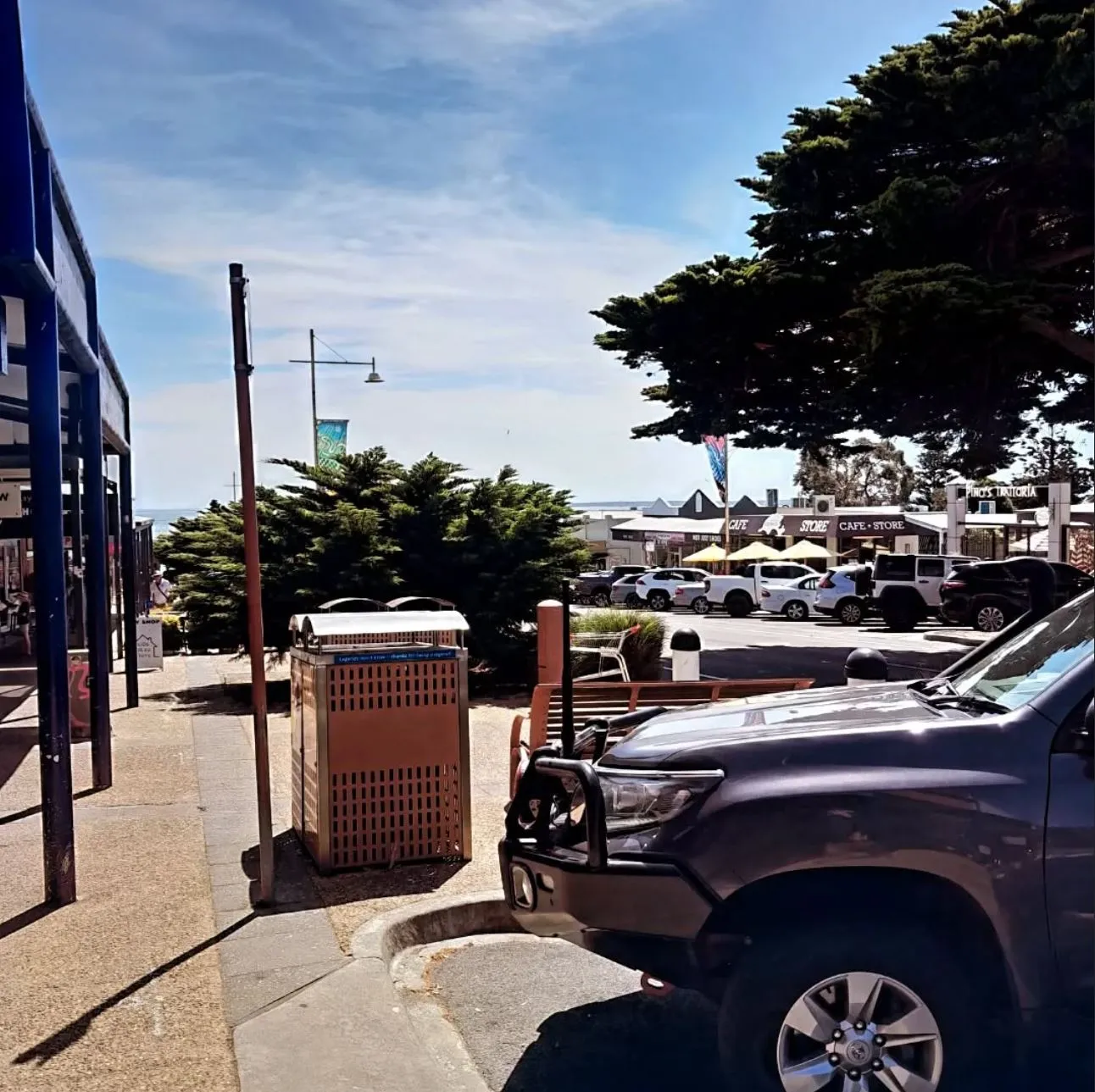
Phillip Island is 140 km southeast of Melbourne and part of the Bass Coast Shire. As of the most recent census we have a permanent population of over 12,000 people. But during peak season that swells to over 40,000 visitors.
The largest town on the island is Cowes, the main hub for shopping, dining and local services. Other residential areas are Rhyll, Ventnor, Newhaven and Cape Woolamai. These areas offer a mix of coastal charm and modern amenities making them attractive to families, retirees and those looking for a sea change. These areas are well connected by road and have access to essential services like emergency services, schools and water supply.
What’s Life Like for Residents?
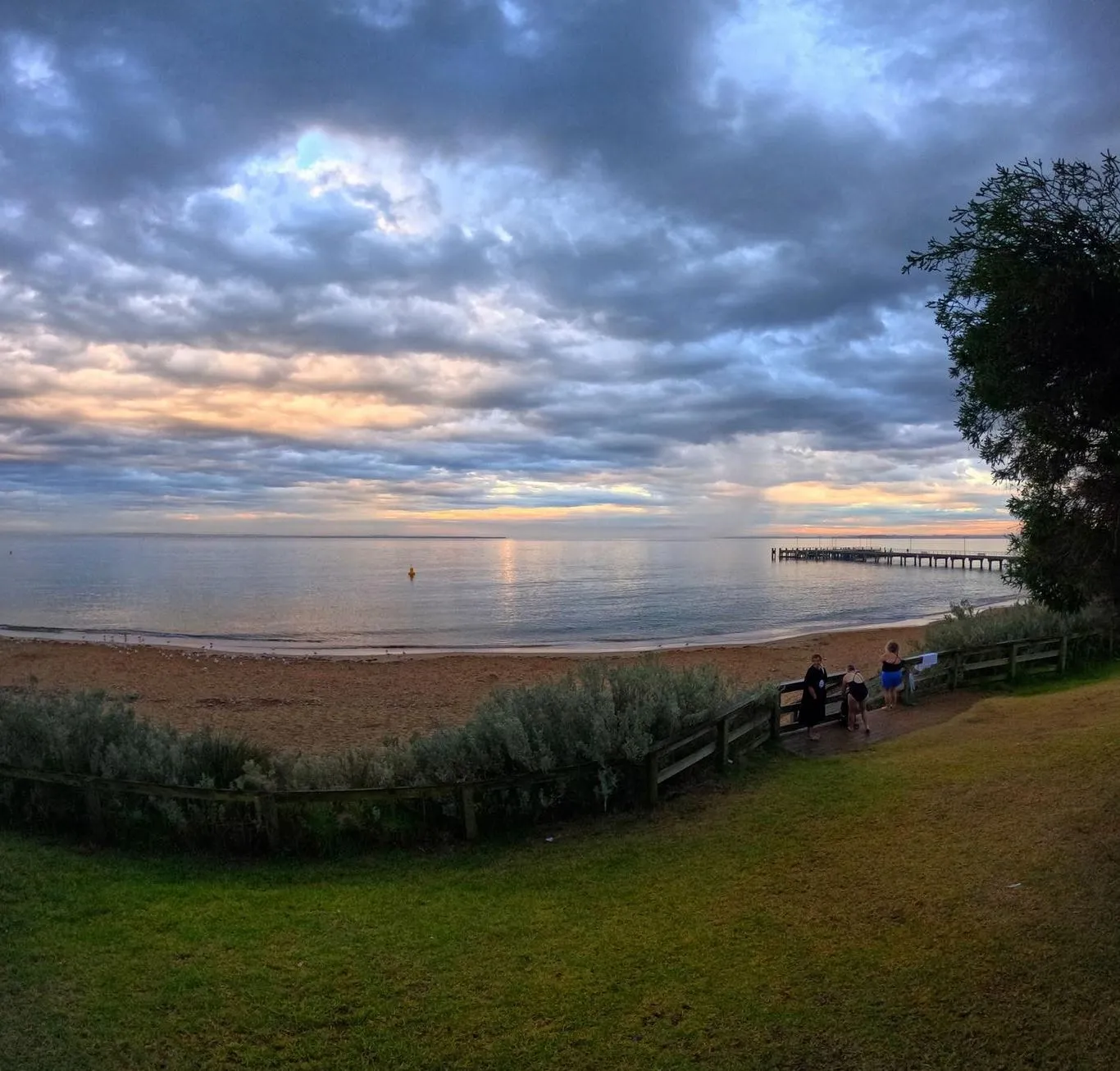
Living on Phillip Island is a relaxed coastal lifestyle with a strong sense of community. Residents enjoy beaches, nature reserves and recreational areas. We have a healthy mix of retirees, young families and professionals who work locally or remotely.
Local life is rich with community groups, farmers markets and year-round events. Services like healthcare, education and aged care are well established and infrastructure upgrades are underway to future-proof the island for the next generation of residents.
The island’s unique environment makes it an ideal place for those who value a connection to nature. We have native animals and coastal waters teeming with marine life. A colony of fur seals lives near The Nobbies and draws visitors all year round.
Sustainability is a community-wide focus with many residents and local organisations involved in holistic initiatives that promote conservation and environmental responsibility. These programs protect endemic species and promote penguin-friendly practices that support long-term animal protection.
Real Estate and Cost of Living
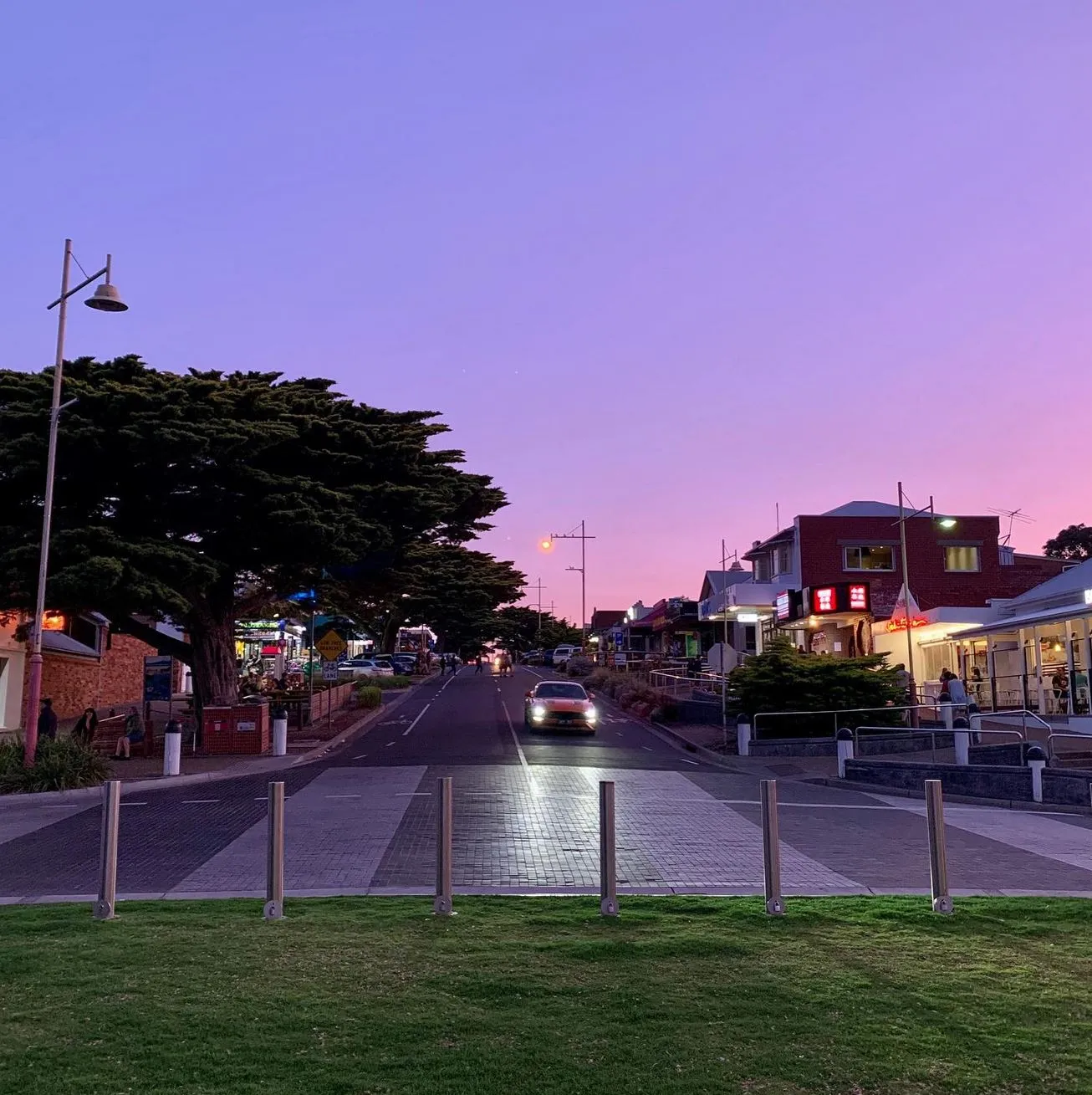
Real estate on Phillip Island runs from heritage cottages and eco-homes to beachside retreats and modern suburban homes. As demand increases (especially from Melburnians looking for a sea change) prices are rising. But compared to the major cities, Phillip Island is still affordable.
The cost of living is moderate. Some things are a bit more expensive due to transport costs but many locals offset this by buying local produce and participating in community swaps and sustainable practices. Utilities like water and internet are reliable, and the island is expanding its renewable energy initiatives.
Residents get concession entry to main attractions and there are efforts to ensure the infrastructure meets the needs of a growing and diverse population (including singles and Indigenous Australians).
Penguin Life and Conservation
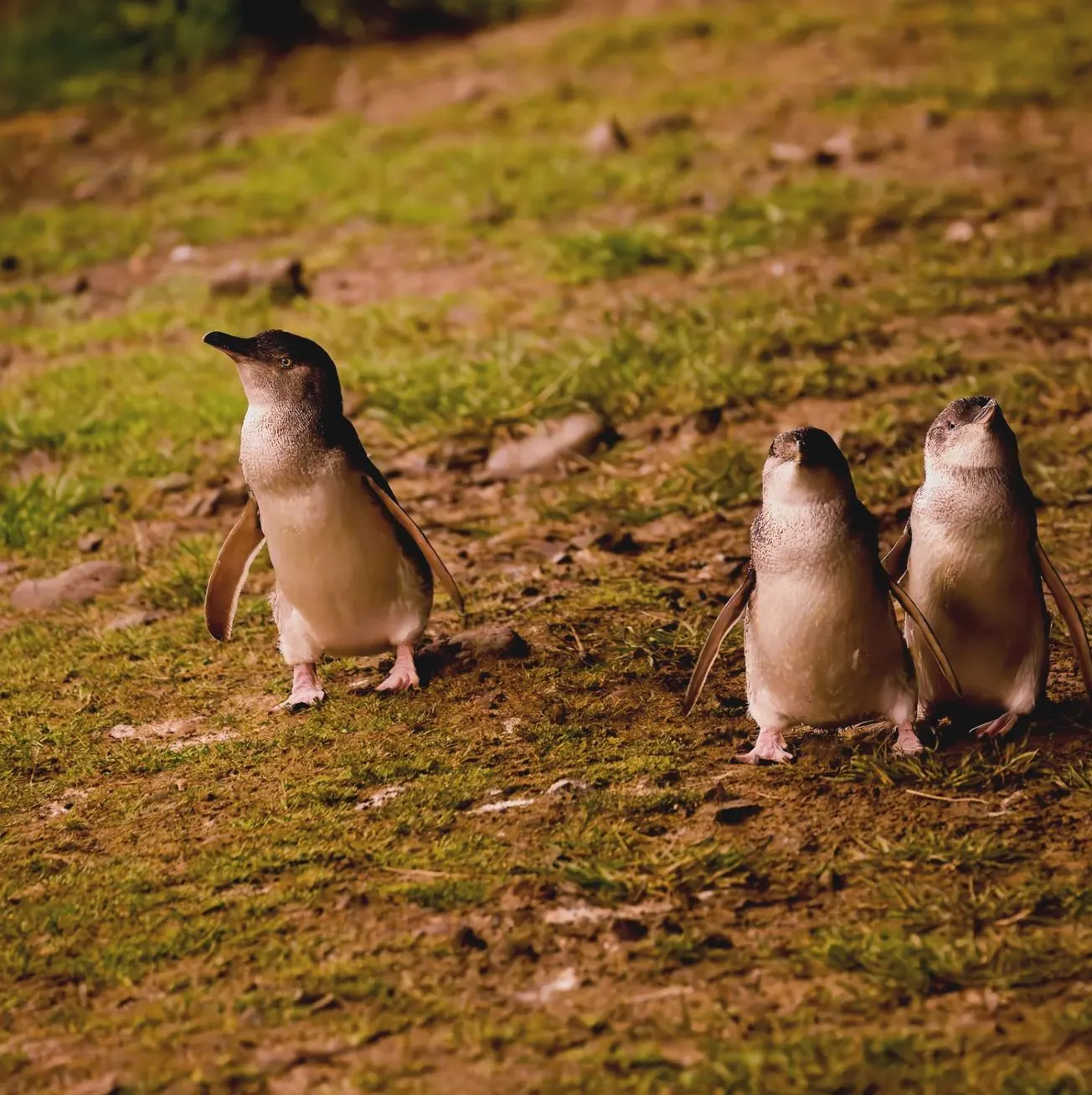
Phillip Island is famous for its penguin population. The Penguin Parade is the island’s number one attraction with visitors from all over the world booking tickets months in advance. Here you can see one of nature’s most magical sights: Little Penguins coming ashore after a day of fishing in the coastal waters.
The penguin colonies are managed and monitored to ensure breeding success and reproductive success. Conservation efforts include tracking ocean temperatures, penguin-friendly pathways and limiting human interference in nesting areas. The Little Penguins start coming back to their burrows just weeks after fledging – an amazing instinctual behaviour that shows how well the conservation is working.
Visitors access the viewing areas via a wooden bridge and a concrete bridge designed to minimize disruption to the birds’ natural habitats. These infrastructures are critical in balancing tourism with environmental preservation.
Phillip Island’s work in conserving its penguin species is a global model of ecological stewardship. The Phillip Island Nature Parks organisation is leading these efforts, combining science, tourism and community engagement to protect the island’s wildlife.
Many Phillip Island tours also include access to these conservation areas, so you can experience it for yourself and support local conservation efforts.
Beyond Penguins: Biodiversity
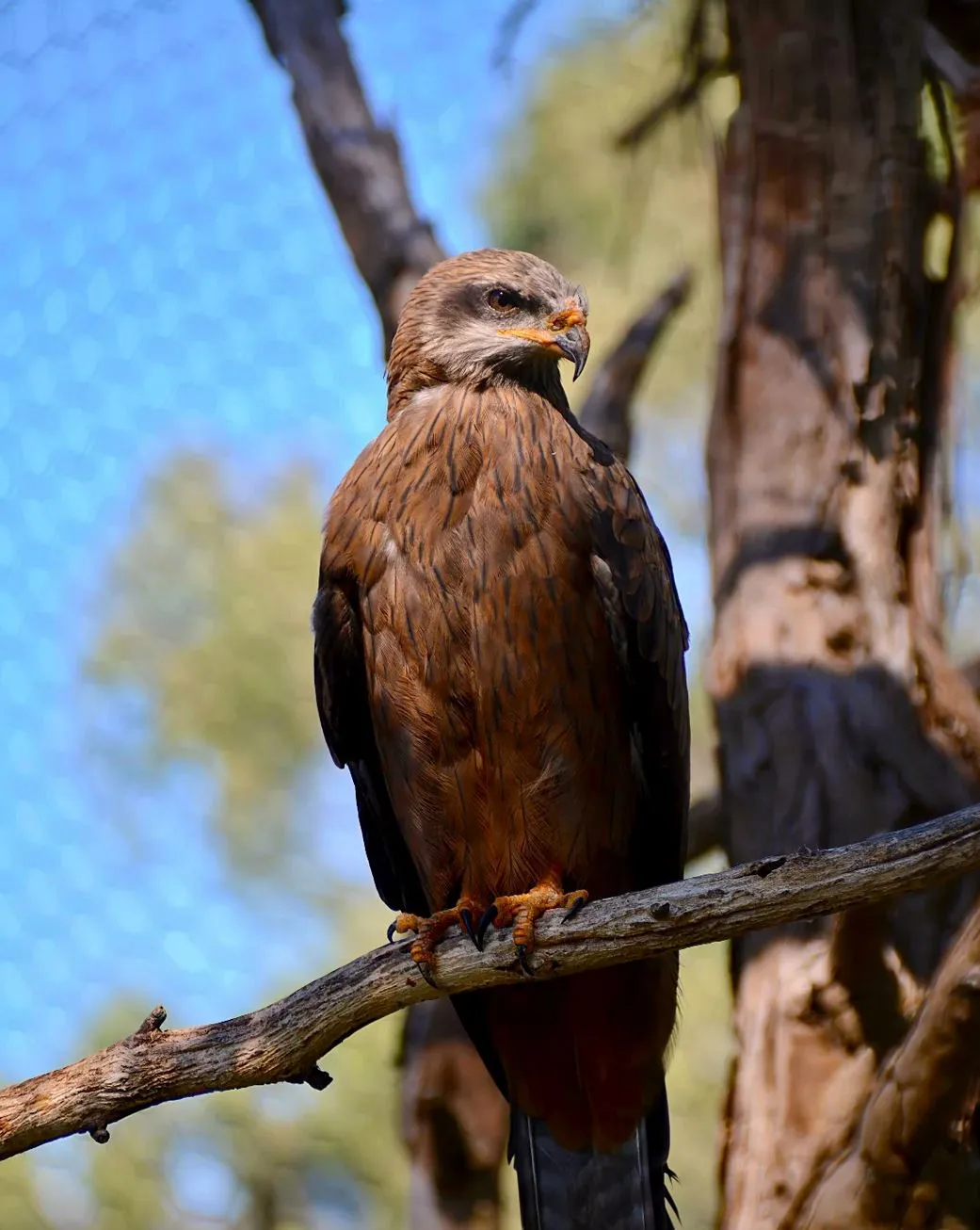
Penguins are the stars but Phillip Island is a biodiversity hot spot. The island has native animals and even farm animals on the inland properties. Birdwatching is popular with many endemic species thriving in the protected reserves.
A fur seal colony can be viewed from the viewing platforms and boat tours. These seals are an important part of the marine ecosystem and are monitored by researchers as part of a broader marine conservation program.
The island’s environmental policy is based on a holistic approach that values both human and animal communities. Ongoing studies and education programs promote animal protection and environmental sustainability.
If you want to get the most out of your visit, Phillip Island tour are the best way to see the island’s wildlife and landscapes in one curated experience.
Accessibility and Services
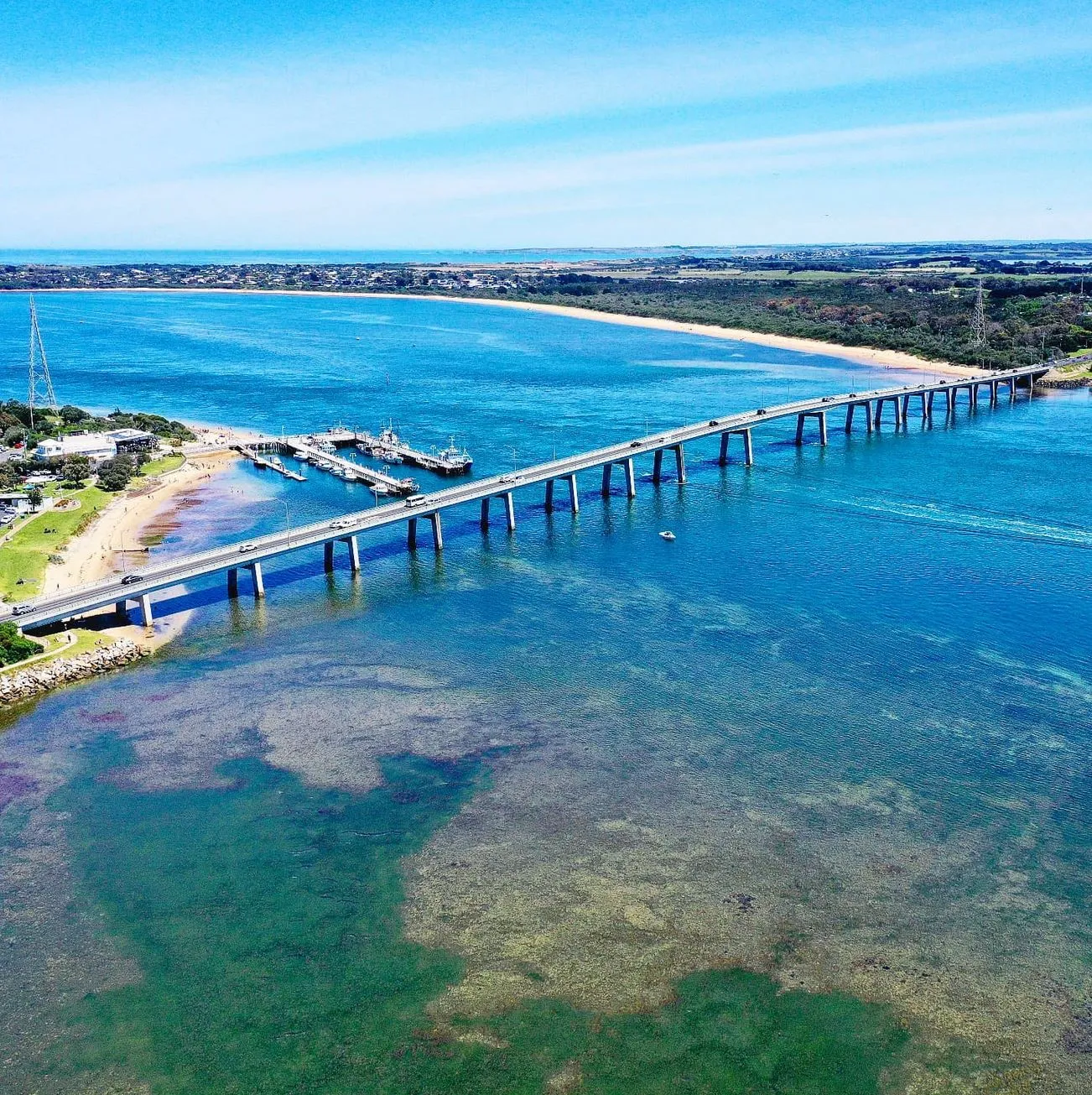
Phillip Island is accessed by road via a bridge from San Remo. The island has well-maintained roads, walking trails and public transport to surrounding areas.
Emergency services are available including police, fire, ambulance and a local hospital with allied health services. The community is proactive in disaster preparedness and public safety education.
Water and waste management services are modern and reliable and the island is implementing smart water technologies to ensure long-term sustainability.
Is Island Right for You?
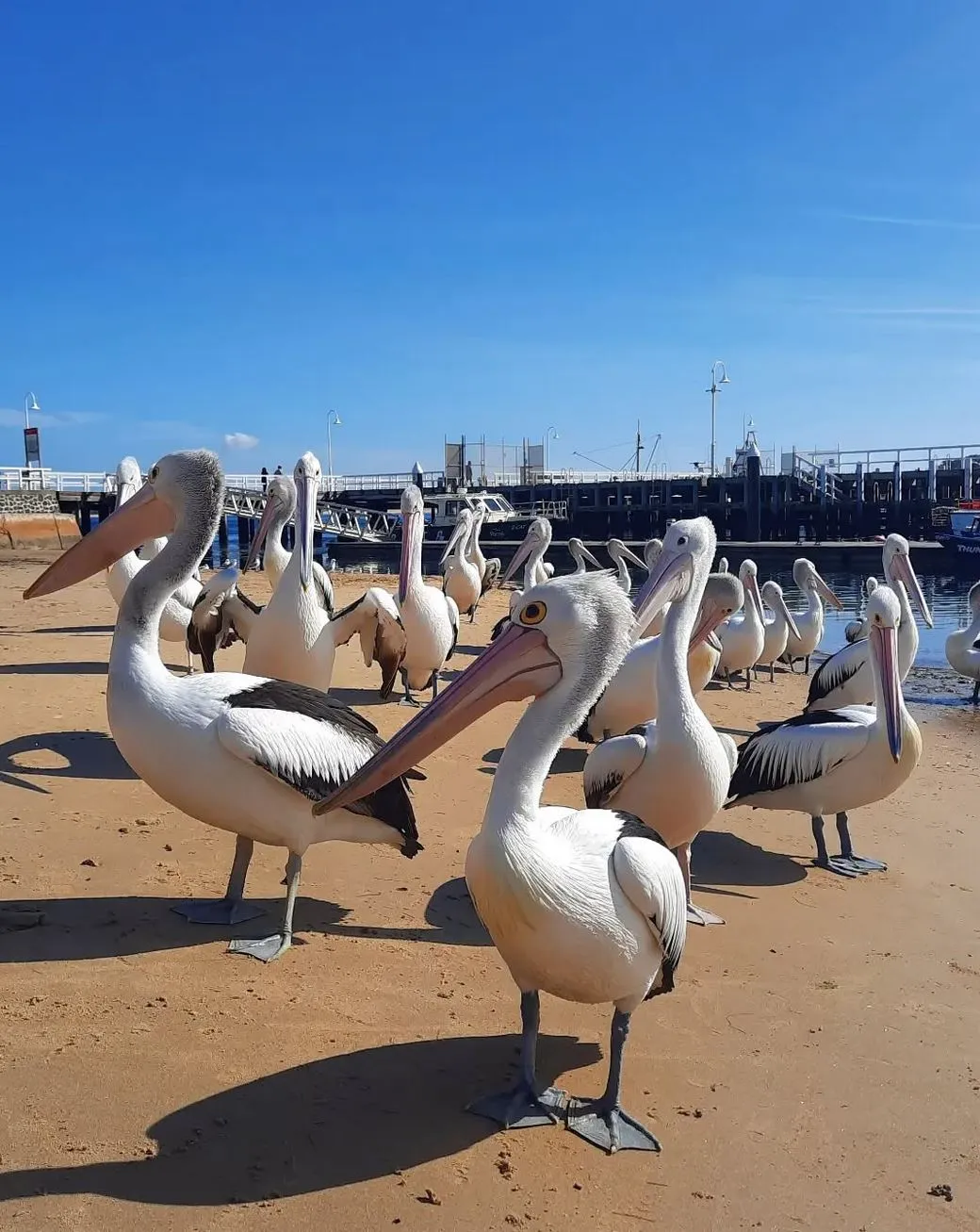
Phillip Island is a mix of natural beauty, community and modern convenience. Where you can surf in the morning, visit a local market in the afternoon and watch penguins at sunset.
Whether you’re a nature lover, a young family, a remote worker or someone looking to retire in a quiet location, Phillip Island has something for you. Its scenic views, environmental consciousness and community support make it one of Victoria’s most unique places to live.
With many Phillip Island Penguin tours available all year round, newcomers and long-term residents can deepen their connection to the island’s natural and cultural heritage.
FAQ
How many people live on Phillip Island all year?
Over 12,000 people live on the island full-time, with numbers increasing during tourist season.
What are the main towns on Phillip Island?
Cowes is the biggest town, followed by Rhyll, Ventnor, Newhaven and Cape Woolamai.
Are there schools for kids on the island?
Yes, there are primary and secondary schools and childcare centres.
What kind of jobs are there on Phillip Island?
Locals work in tourism, hospitality, retail, education and remote jobs. Seasonal work is common.
Is Phillip Island a good place to retire?
Yes. With its laid-back lifestyle, beautiful scenery, strong community and access to services like emergency services and local markets it’s a popular choice for retirees.