Grampians Animals: What You’ll See

The Grampians National Park in Victoria, Australia is a wildlife lover’s and beauty seeker’s paradise. This magnificent mountain range with rugged mountains, dramatic sandstone peaks and ancient Aboriginal rock art is also home to a wide variety of native wildlife and endemic species. Whether you’re hiking through the forests or relaxing at lookouts, you’ll likely see some of the park’s most beautiful animals. The natural beauty of this region combined with the wildlife makes it a must-see for nature lovers.
A Grampians Tour is one of the best ways to experience the park’s diverse landscapes and see Aussie animals in their natural habitat. Whether you’re joining a group hike or a 4WD wildlife safari these tours will give you a deeper insight into the region’s ecosystems.
Near the scenic town of Halls Gap the Grampians offer panoramic views, inland lakes, wildflowers and native animals. At different times of the year especially during the warmer and cooler months the park becomes a vibrant sanctuary full of life. From the edges of the park to the famous lookouts like The Pinnacle and Boroka Lookout the Grampians are alive.
Contents
Eastern Grey Kangaroo
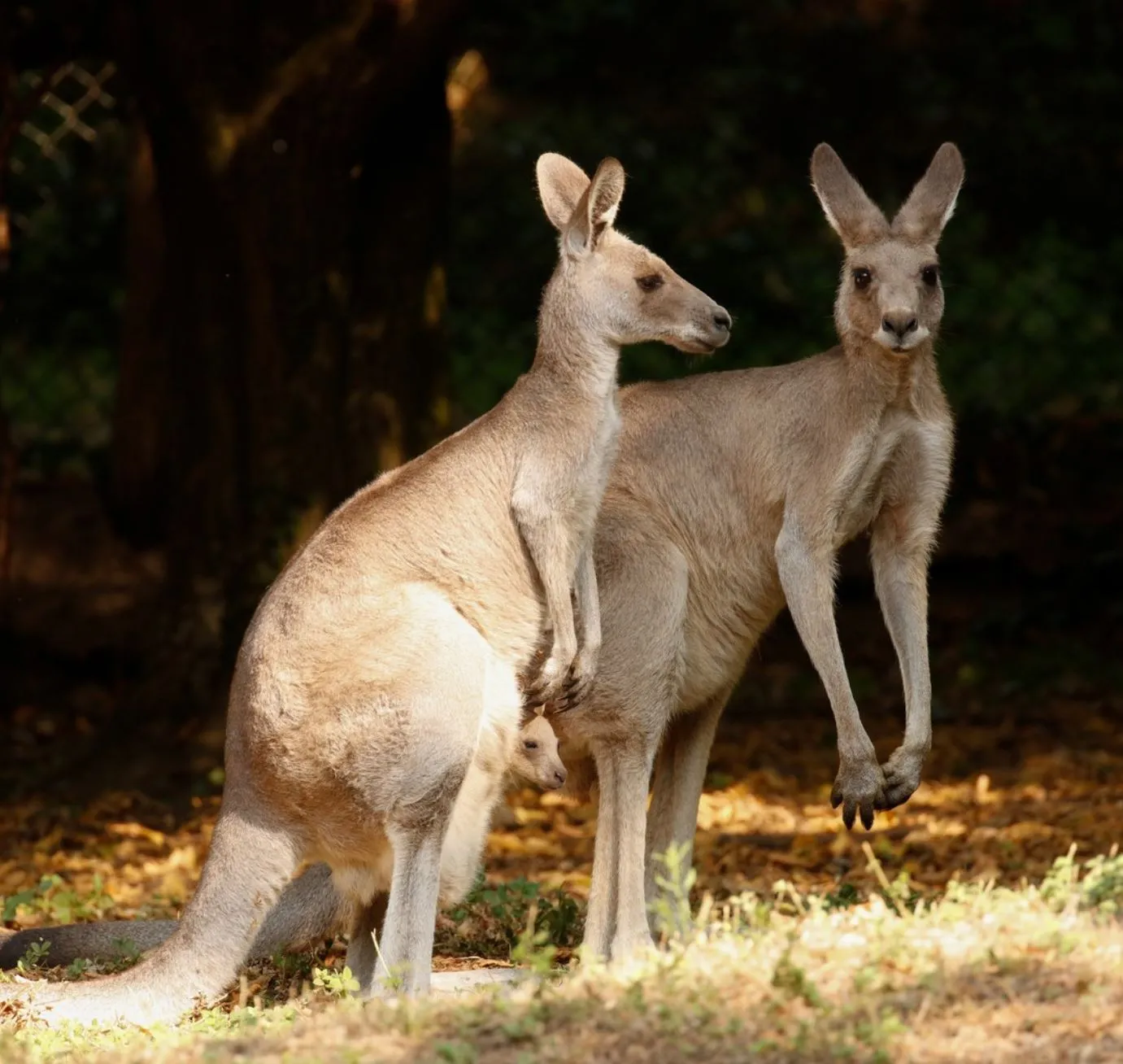
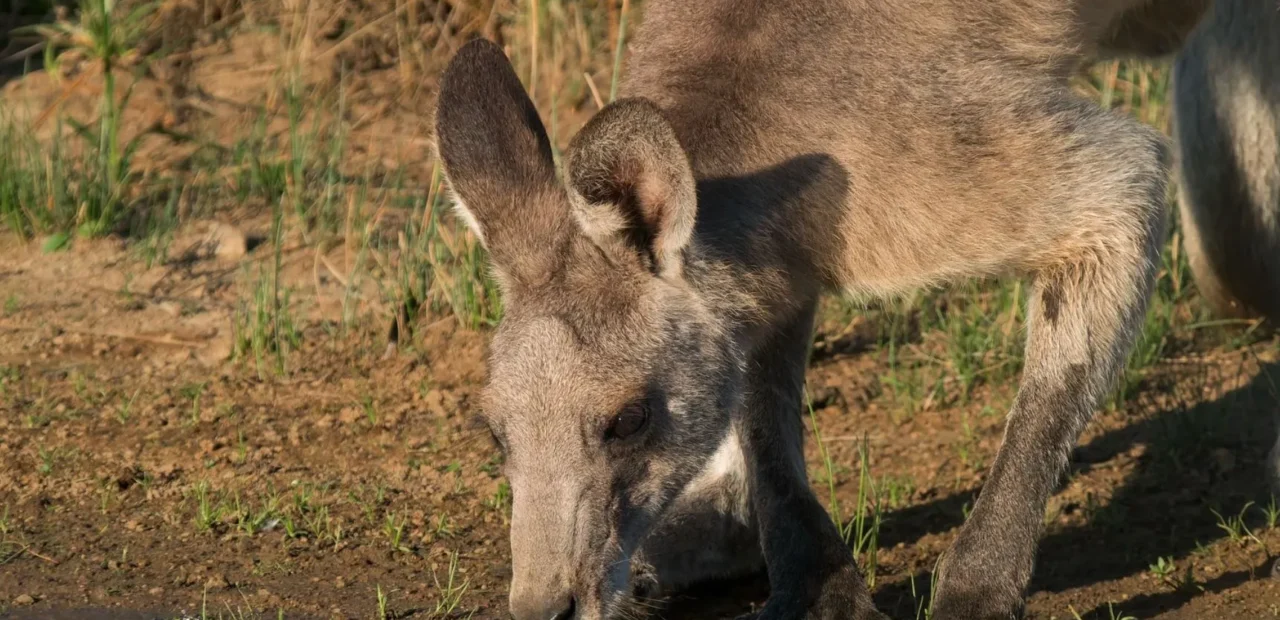
The Eastern Grey Kangaroo is one of the most common native animals seen in the Grampians. These incredible wildlife icons are most active at dawn and dusk and are often found grazing in open grasslands and the edges of the forest. With their powerful back legs and curious nature grey kangaroos are a favourite among photographers. Visitors will often find mobs of kangaroos around picnic areas or even hopping through quiet towns like Halls Gap.
Many of our travellers who book a Grampians Trip report seeing grey kangaroos up close especially during the early morning tours.
Emu
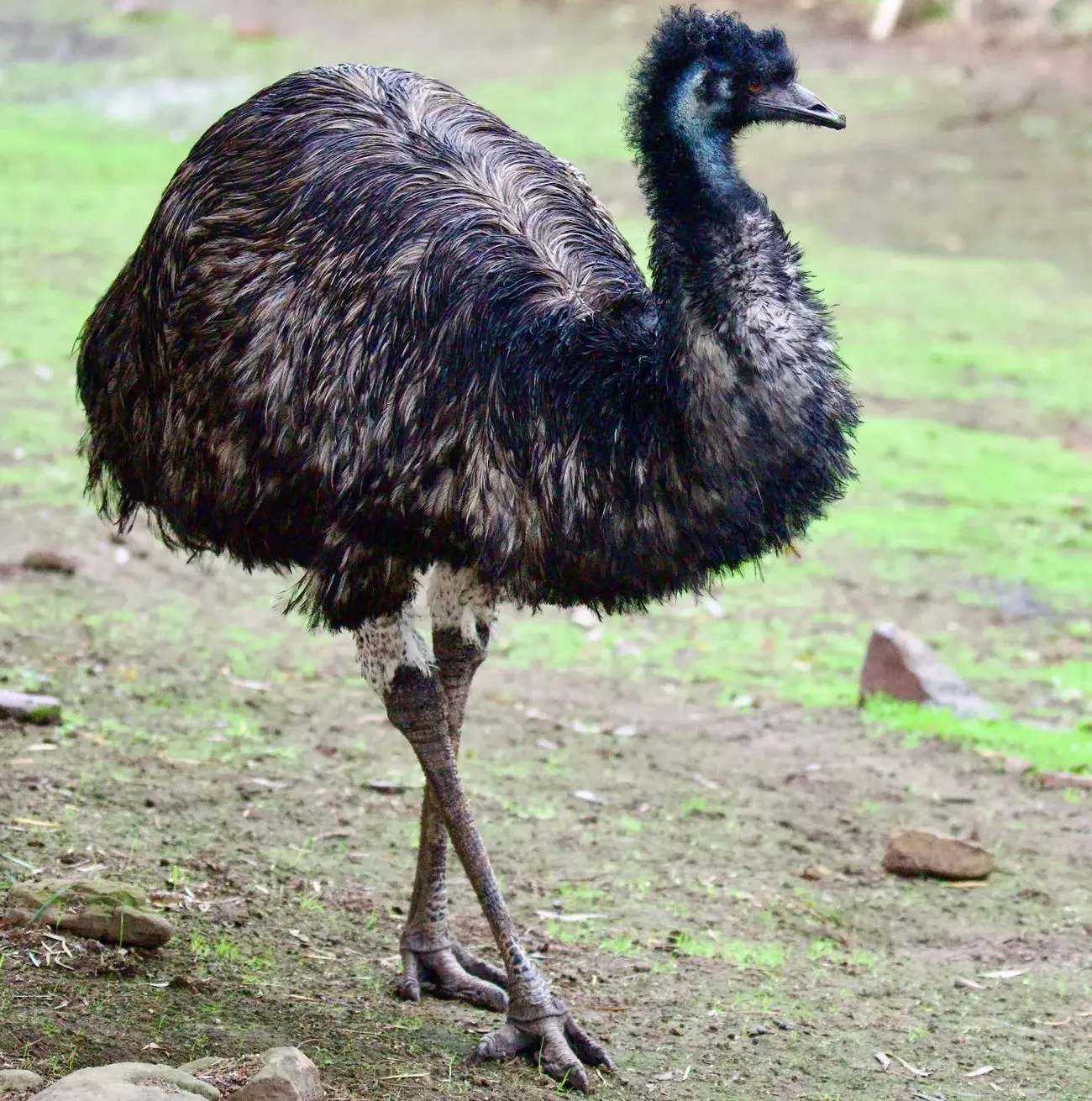
Australia’s largest flightless bird, the emu, can be seen roaming around in small groups in the Grampians. These wild animals are a part of the Grampians’ native wildlife and are known for their looks and curiosity. They can’t fly but their strong legs can outrun predators and curious tourists alike. Emus tend to hang around inland lakes or grassy plains especially during the warmer months when food is plenty.
Koala
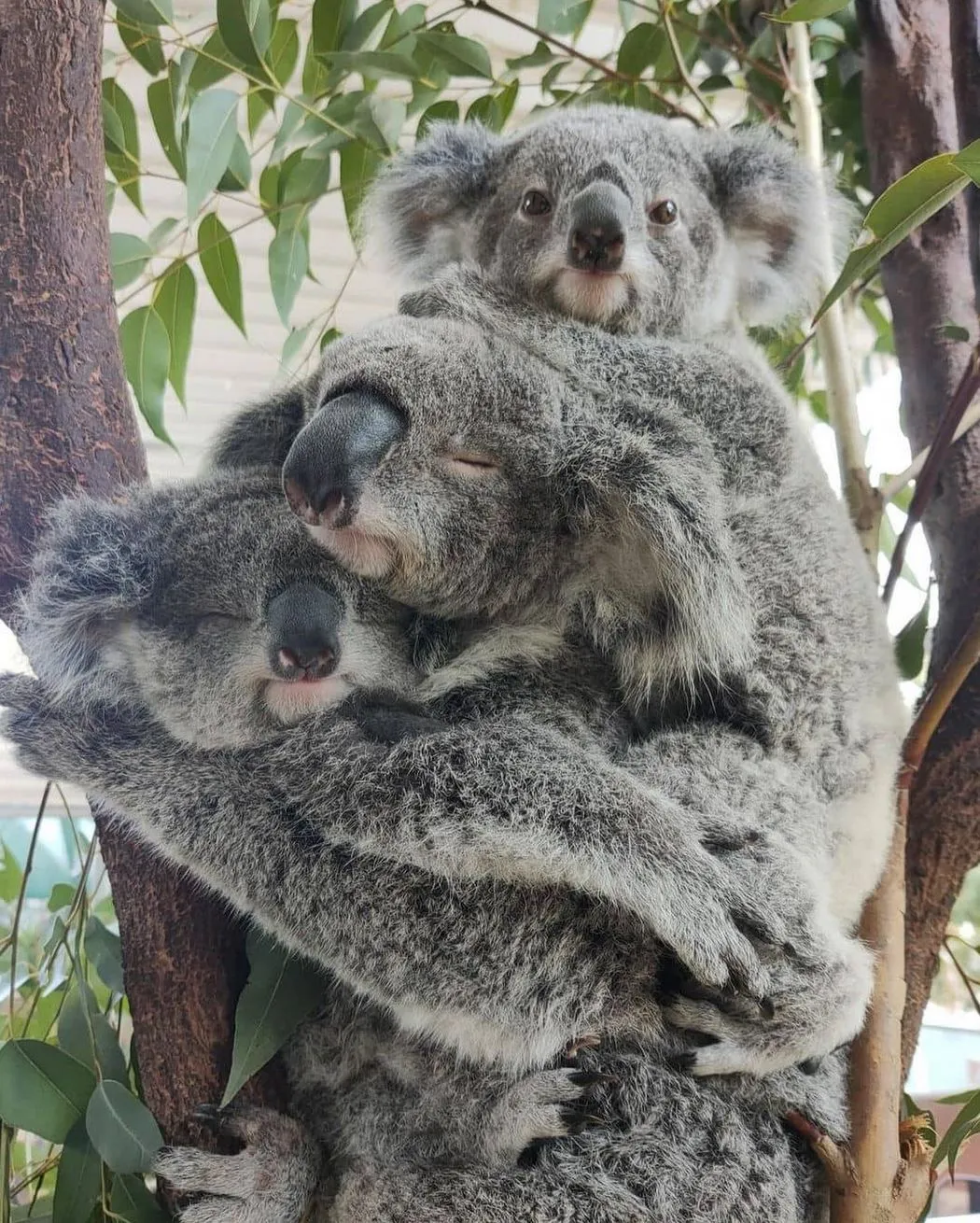
Though elusive, koalas are one of Australia’s most iconic native animals and can be found snoozing in the eucalyptus trees around the park. These beautiful animals are usually seen in the early morning or late afternoon hours, especially near creeks or areas with dense gum trees. Koalas are a top highlight for visitors hoping to see Australian animals in the wild.
A good Grampians Tour will have tips from guides on where to spot koalas in the wild, especially in areas with tall eucalyptus stands.
Echidna
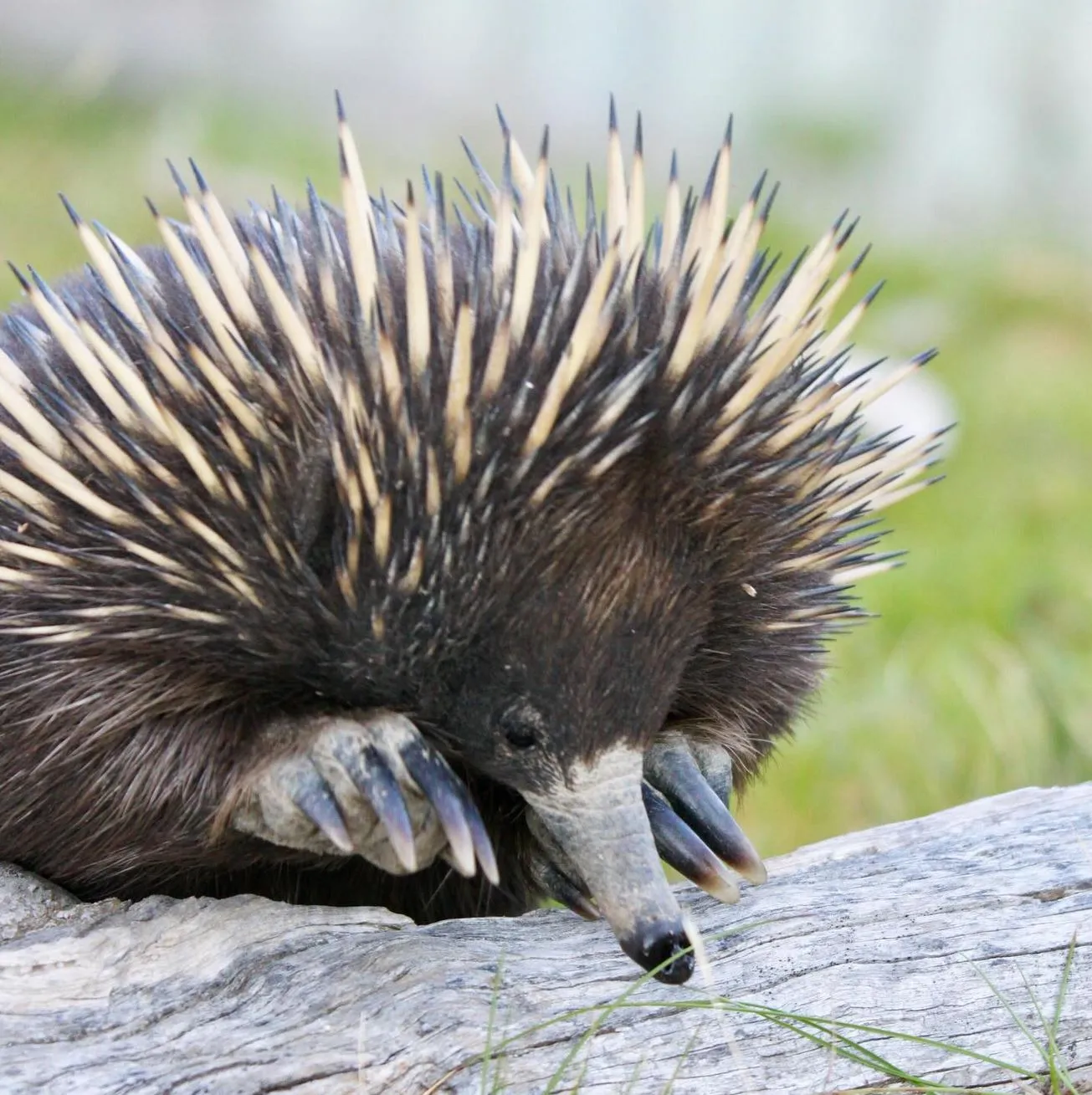
Echidnas are exotic mammals known for their spines and shy nature. These small but fascinating native wildlife are solitary and forage for ants and termites on the forest floor. Keep an eye out for disturbed soil along walking tracks or among the wildflowers—signs an echidna may be nearby. They move slowly and are a delight to see during a hike.
Wedge-tailed Eagle
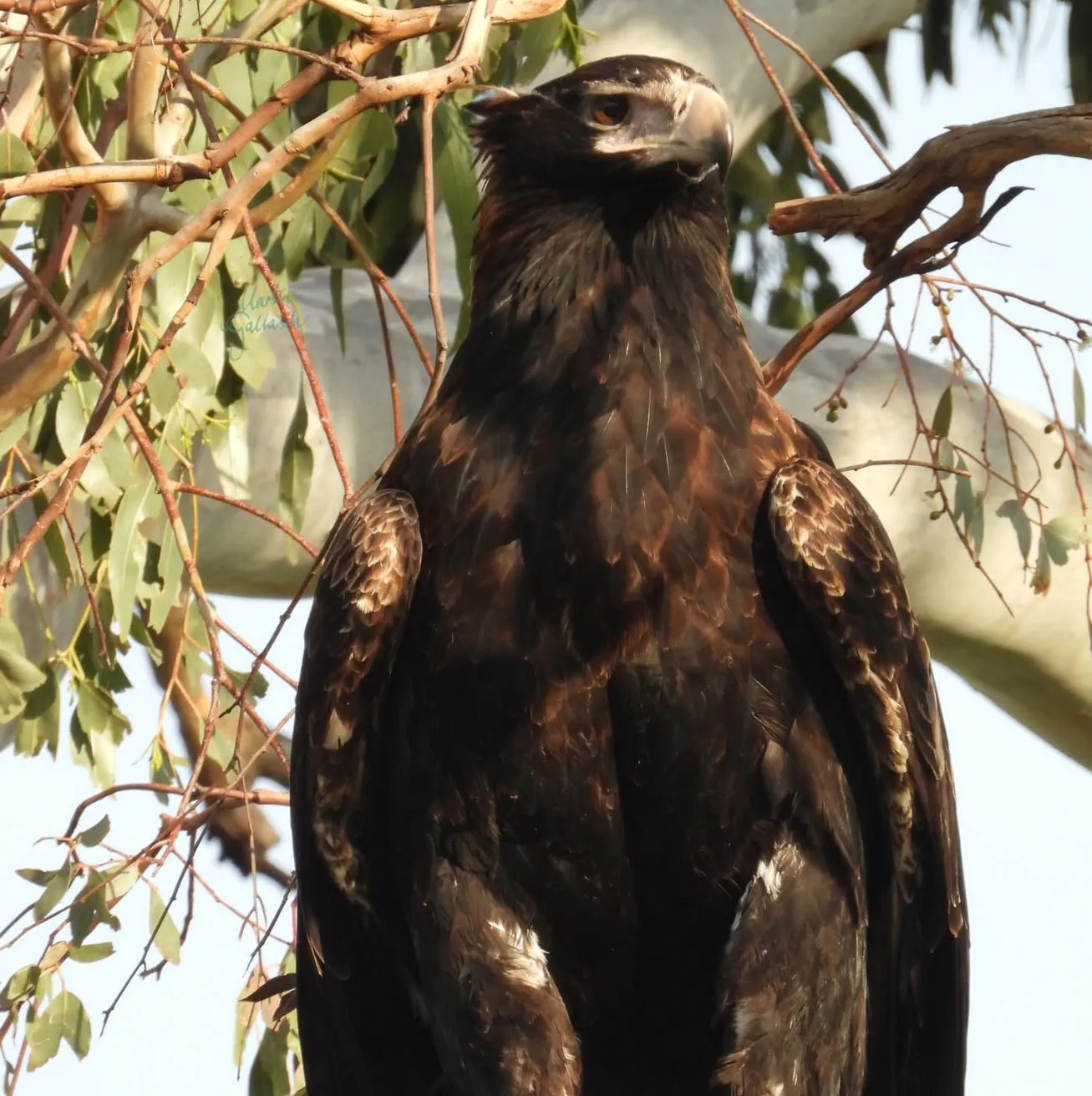
Soaring above the cliffs and valleys of the Grampians, the wedge-tailed eagle is one of the most beautiful birds in Australia. As a native bird and apex predator, this eagle is a symbol of the region’s power and beauty. With a wingspan of up to 2.7 meters, these birds can be seen flying overhead above the panoramic views, especially around the rugged mountains and open clearings.
Black Cockatoo and Other Birds
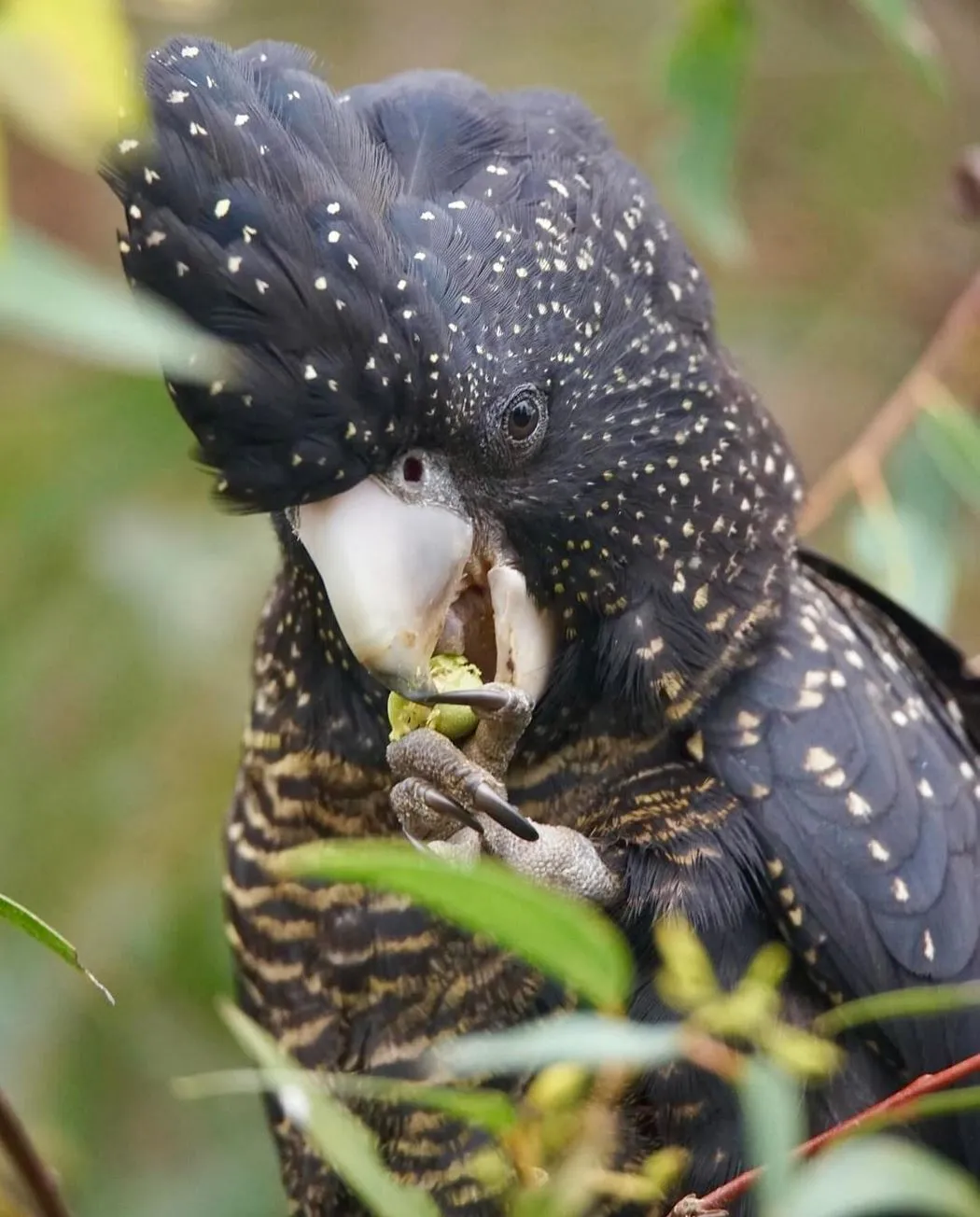
The Grampians is also home to diverse and abundant wildlife, especially birds. Among the most memorable native birds is the black cockatoo, known for its haunting call and black plumage. Birdwatchers can also spot kookaburras, rosellas, honeyeaters and over 200 other species of birds. The spring wildflowers attract many nectar-feeding birds making it a great time to go birding.
Wallabies and Possums
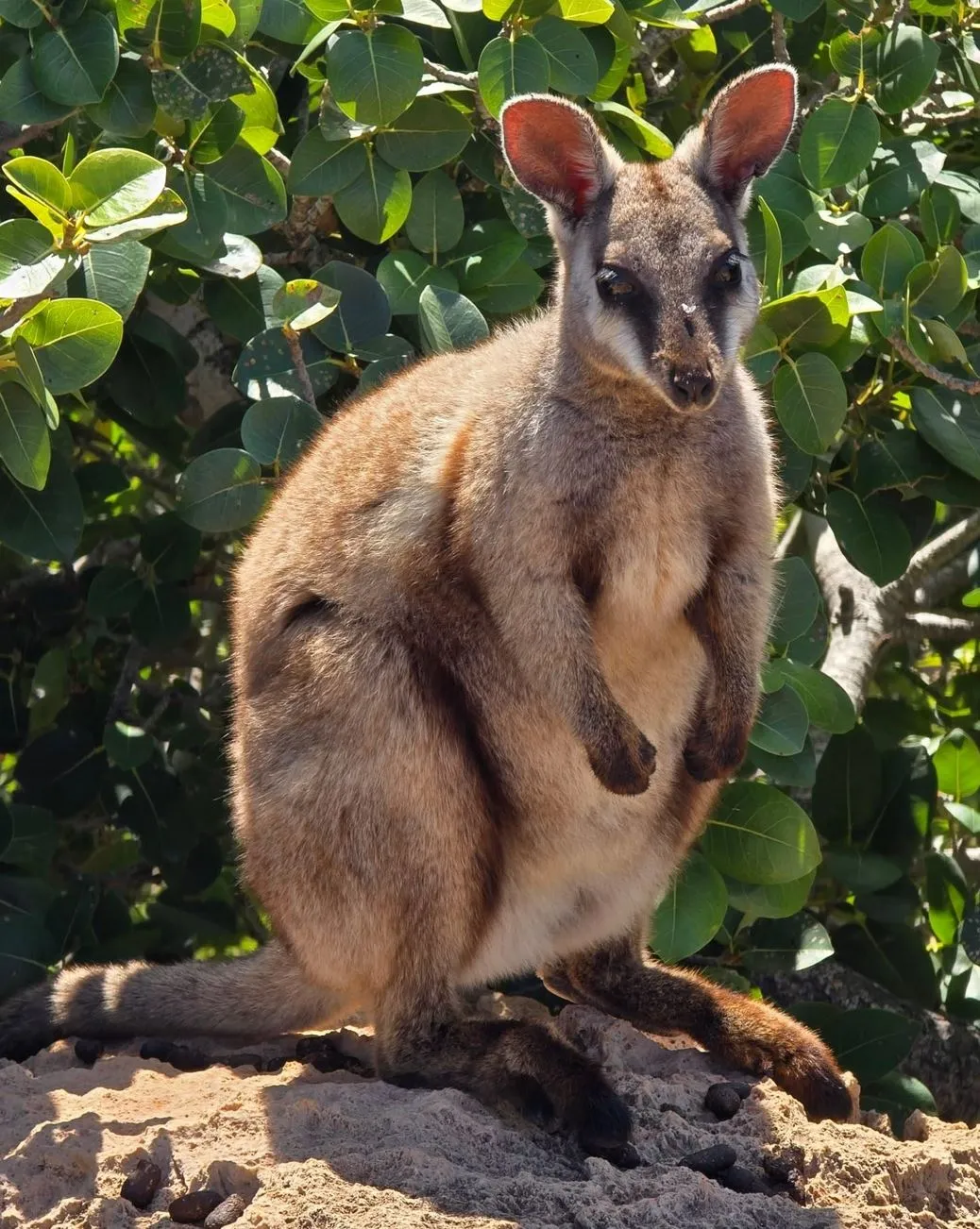
Wallabies are smaller than kangaroos and can be seen hopping along the trails or feeding in open spaces. Ringtail and brushtail possums are more often seen in the forest at night, especially in quieter areas of the park. These nocturnal natives are part of this awesome ecosystem.
Native Fish and Reptiles
The Grampians also have aquatic life, including native fish in the lakes, creeks and streams. Reptiles like blue-tongue lizards and skinks bask in the sun on rocks during the day, especially on sunlit trails. In warmer months you may even see snakes so please be aware and respect their space.
Domestic Animals and Conservation
Domestic animals are not part of the park’s ecosystem but pets from nearby quiet towns may wander into the outer edges of the park. Please prevent this as domestic animals can disrupt the lives of wildlife and native species. The Grampians is a conservation area, working to protect the beauty and wildlife that call it home.
Seasonal Highlights
- Spring and Summer: Wildflowers are in bloom, native birds are busy and warm weather is great for wildlife photography.
- Autumn: A great time to see animals preparing for winter, wallabies and kangaroos are very active.
- Winter: Though cold, winter is a peaceful time. Visitors often see echidnas and do forest walks at night with guided tours.
Tips for Wildlife Spotting
- Visit in the warmer months and cooler months for varied animal activity.
- Winter is great for quiet walks and seeing animals in the forest at night.
- Bring binoculars and a camera with a zoom lens to capture the animals in their habitat.
- Stick to marked trails and park rules.
- Early morning and late afternoon are the best time to see native animals and bird species.
FAQ
When is the best time to see wildlife in the Grampians?
Spring and autumn are the best times with mild weather and more animal activity, perfect for seeing native wildlife and the natural beauty.
Are there any dangerous animals in the Grampians?
The Grampians have snakes and spiders, but are rarely seen. Be wary and respect all wild animals and injured wildlife.
Can I feed the animals in the park?
No, feeding native animals and bird species is not allowed as it disrupts their natural behaviour and health.
Are there guided wildlife tours in the Grampians?
Yes, several tour operators offer guided tours that explore the region’s endemic animal species, mountain ranges and famous lookouts. Booking a Grampians Tours is a great way to learn from local experts and increase your chances of spotting wildlife.
Where are the best places to see animals in the Grampians?
Halls Gap, Mackenzie Falls (the biggest waterfall in the area), Wonderland Range and outer edges near quiet towns are the best places to see awesome wildlife, emus, kangaroos and various bird species.